 Raheen Wood Community National School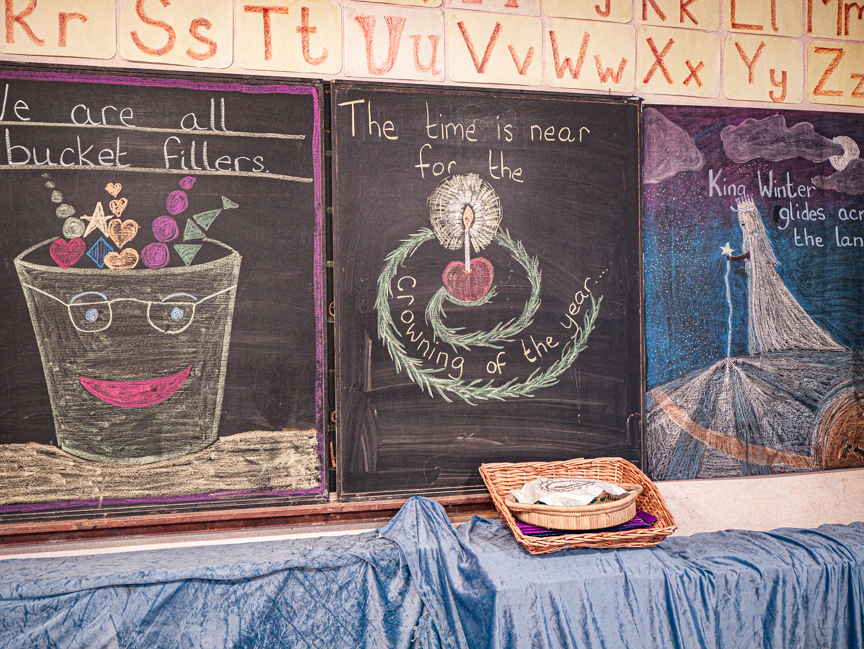
Main School
Our aim is for all children in our Main School (First to Sixth Class) to experience a personal connection to what they learn, and so to nourish a love of learning that they will carry into their lives beyond primary school..
How children learn in Main School
We want to see the children develop into confident and enthusiastic readers, skilled and expressive writers, at ease when working with numbers and mathematical concepts.
Main School is structured in three groups of pupils: Class 1 & 2, Class 3 & 4, and Class 5 & 6. The Class Teacher stays with a class of children for two years.
Methodology
- Main lessons: Subjects are taught in ‘Main Lessons’ the first two hours of the school day, for between three and six weeks at a time, allowing for depth, integration, and focus. The Main Lesson curriculum blends seamlessly with the Subjects and objectives of the Irish Primary Curriculum: English, Gaeilge (Irish), Maths, Science, History, Geography, Art, Drama, Music, Physical Education (PE) and Social, Personal and Health Education (SPHE).

- Shorter lessons: The remainder of the school day is divided into shorter lessons where the skills and themes of Main Lesson can be developed, and where additional subjects are taught by Class Teachers or specialist subject teachers: Handwork, Woodwork, Eurythmy (a movement class), and French.
- The Three Day Rhythm: ‘The Three Day Rhythm’ is a way of working whereby on the first day something new is introduced, recalled on the second day, and on the third day comes to life again through the children’s activity.
- Homework: Children in Classes 1 & 2, once they have mastered the basics of the phonics system, may receive short reading homework several evenings a week which parents are encouraged to read with their children. Written homework formally begins in Class 3, when children have the ability to begin to take personal responsibility for their work and have already acquired some considerable expertise in reading, writing, drawing, and number.
- Text books: We do use some text books in our older classes; however most of the teaching material is presented verbally.
Developing a sense of wonder
The education combines solid academic values with a sense of wonder for the world around us that truly speaks to the child’s emerging personality, and equips him or her with the imagination, flexibility, and inner strength to face a fast-changing world.
The narrative themes of the curriculum meet each developing phase of childhood and are woven through each year in such a way as to create an integrated whole between all the subjects.
For instance, in Class 1 letters are discovered through the illustrations of the stories they hear, deepening their pictorial imagination and laying the foundation for a vivid approach to learning. The four elementary mathematical processes are introduced and reinforced through concrete activity, including movements such as skipping, jumping and rhythmic clapping, thus supporting and strengthening different ways of learning. Song and music punctuate the morning and the first musical instrument of these years, the pentatonic flute, is begun.
Heart, hands and head are all engaged, as the child finds their own increasingly expressive and creative voice.
Stories and legends
Each year the child will experience different stories and legends as a journey.
In Class 2, animal fables and saints’ stories meet the growing awareness of the contrasts that belong to our nature and the truth that authentic intelligence includes an ethical dimension.
By Class 6, children will have experienced the worlds of Irish legends, Old Testament stories, Native American and Norse tales, Indian myths, Hinduism and Buddhism, Sumeria, Egypt, Greece, Rome, Islam and medieval times as they are drawn through contrasting worlds towards the actual events of history and characters who have played a formative role in shaping events.
Learning by experiencing
From Class 1 onwards children go on an annual school trip, based on subjects studied through that school year.
Examples from past years include:
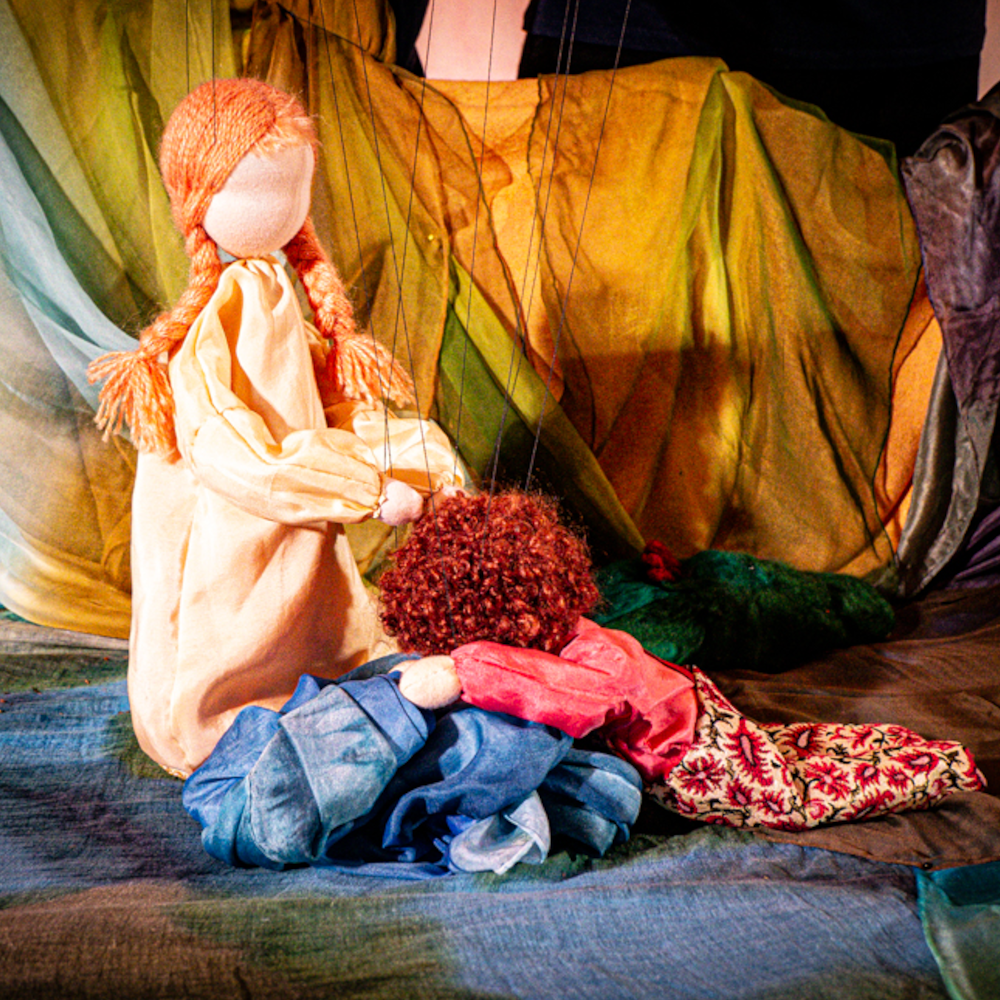
- A Class 1 and Class 2 trip based on WB Yeats poem The Stolen Child: children went to see the play Human Child in Baboro, which is based on the Yeats poem, then went to visit Coole Park, Lady Gregory’s home, where Yeats spent much of his time.
- A Class 3 and Class 4 camping trip linked to their study of the Human and Animal Kingdom.
A Class 5 and Class 6 trip to In fifth and sixth class to participate in the Steiner Olympics alongside pupils from Steiner schools across Ireland and Northern Ireland, after they studied the Greek myths.
The central role of Arts
Artistic activities and movement are integrated into the day and form part of the teaching of each Curriculum Area of the Primary School Curriculum.
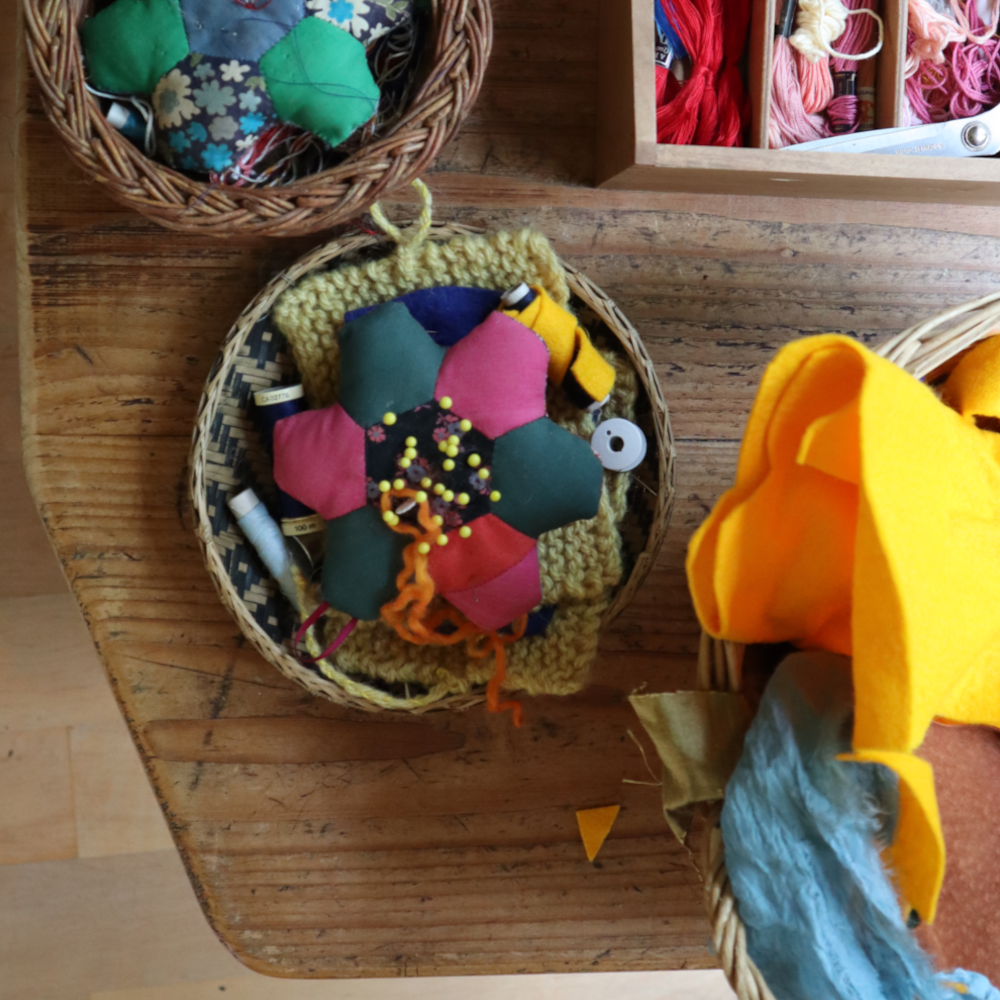
The use of drawing, painting, music, movement, poetry, modelling and drama is at the heart of the learning experience in all subjects. In addition all children take classes in handwork (knitting, sewing, felting), physical education, and the older classes learn French.
Skills such as drawing, painting and craftwork are valued as highly as academic ones and are part of every subject. This gives every child an opportunity to shine and builds confidence and self-esteem.
The class play takes place each year and is often written by the teacher for the class. In coordinating expressive activity, in learning to work as a team, the themes of the year can be consolidated in a celebration of the learning that has taken place over the course of the year.
Science: the powers of observation and play
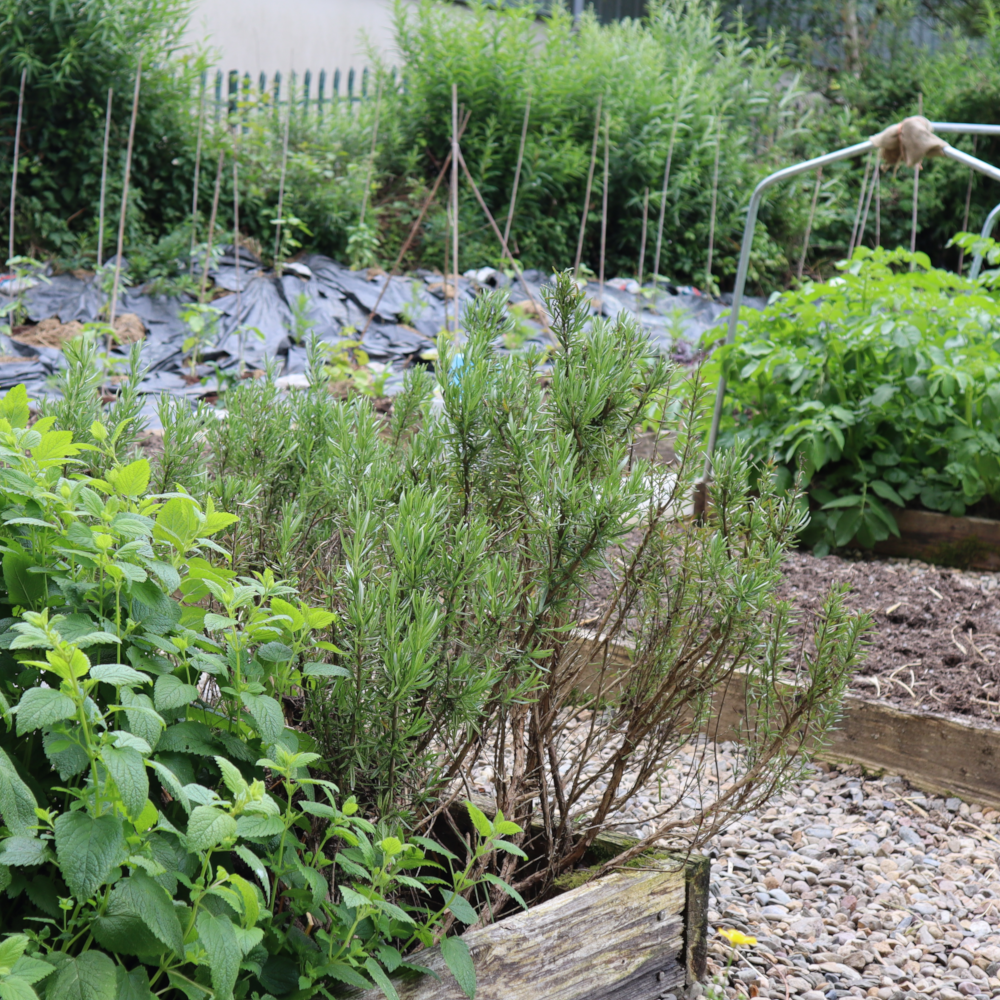
Science is developed in a way that matches the wonder and curiosity of the young child. Observation and a profound appreciation for the natural world and its rhythms are encouraged in myriad ways throughout the cycle of the year.
Natural history and biology are begun in Class 4 and 5 through the study of the animal and plant kingdoms. Physics and chemistry are introduced at Class 6 in recognition of a significant cognitive shift in the child and the readiness for understanding how science draws on ways of thinking about and discovering the world.
Events such as Maths Week or Science Week are fun events for the whole school community. For Maths Week we create a Maths Fair for which each class develops a number of mathematical puzzles and games, with pupils and parents moving between classes to take part in the games. For Science Week we invite science experts to the school.
Languages
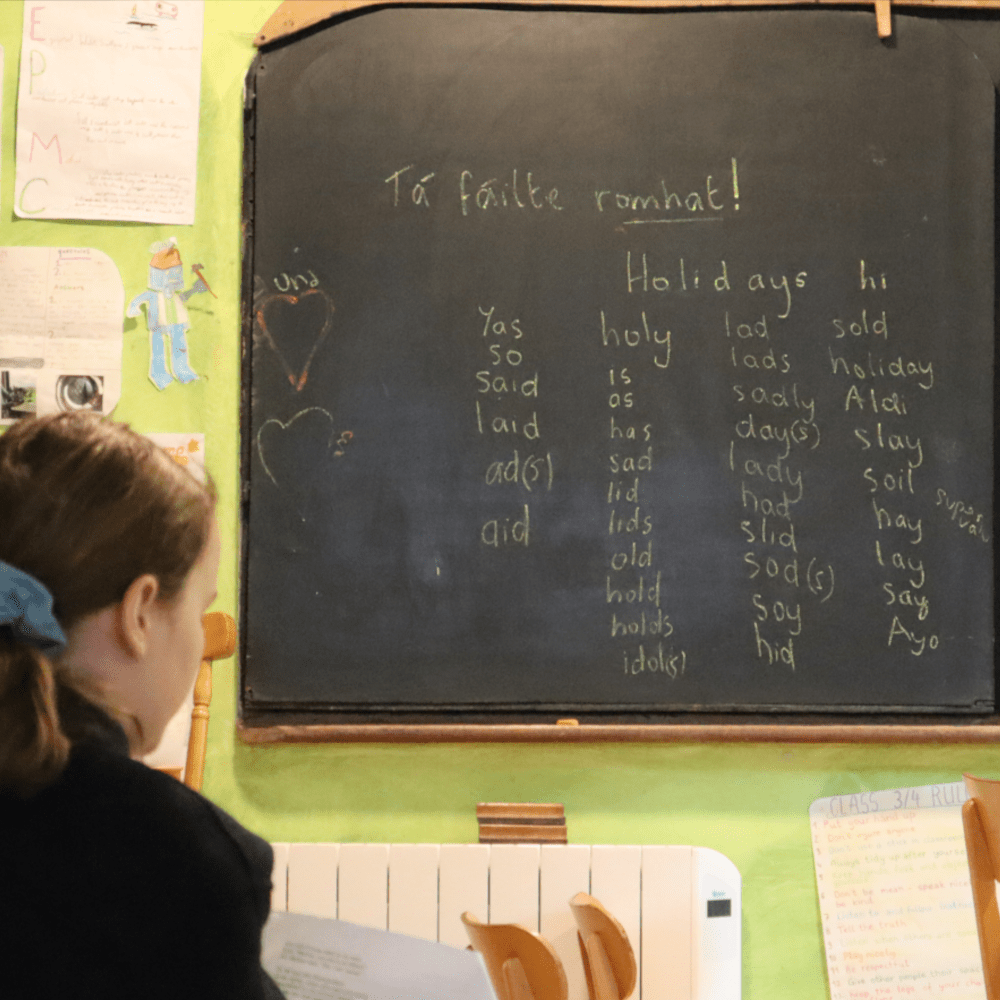
Recitation of poetry and prose is a daily part of the primary level curriculum. The children learn poems and speeches by heart. Clear enunciation and voice quality are stressed and we use tongue twisters and other vocal exercises. This helps with vocabulary, grammar but also with spelling as, if words are spoken clearly, it is easier to hear how they are constructed.
 Raheen Wood Community National School